
Shortlist is a brief review of Polish short films that will leave no one feeling indifferent. We chose directors starting to make their mark, getting buzz, surprising audiences and gradually formulating their styles.
Section programme
While putting together this year’s Shortlist, I imagined a grand museum building. Don’t worry—I’m not talking about an old-fashioned institution with dusty collections and world-weary staff. What I have in mind is a contemporary space where the selected films form a catalogue of the dreams, fears, and desires that define the creators of Polish short cinema. Knowing from experience that being a curator is the best job in the world, I decided to divide the Museum into fifteen separate departments and place each of them in the care of a different person. Through this text, I’d like to introduce these curators and invite you to join them on a guided tour of the Museum — one that, thanks to its pace and youthful energy, may at times resemble the unforgettable sprint through the Louvre in Jean-Luc Godard’s Bande à part.
Right by the Museum entrance, you’ll find the Department of Devotional Objects, curated by Michał Toczek, who has prepared the interactive exhibition Spiritus sanctus. Its main attraction is the opportunity to sample sacramental wine, which transports visitors straight back to the late 1990s. More importantly, though, it captures a longing for the sacred — hidden somewhere within the banal, often stubbornly ordinary routines of everyday life — that defined those years and remains palpable today.
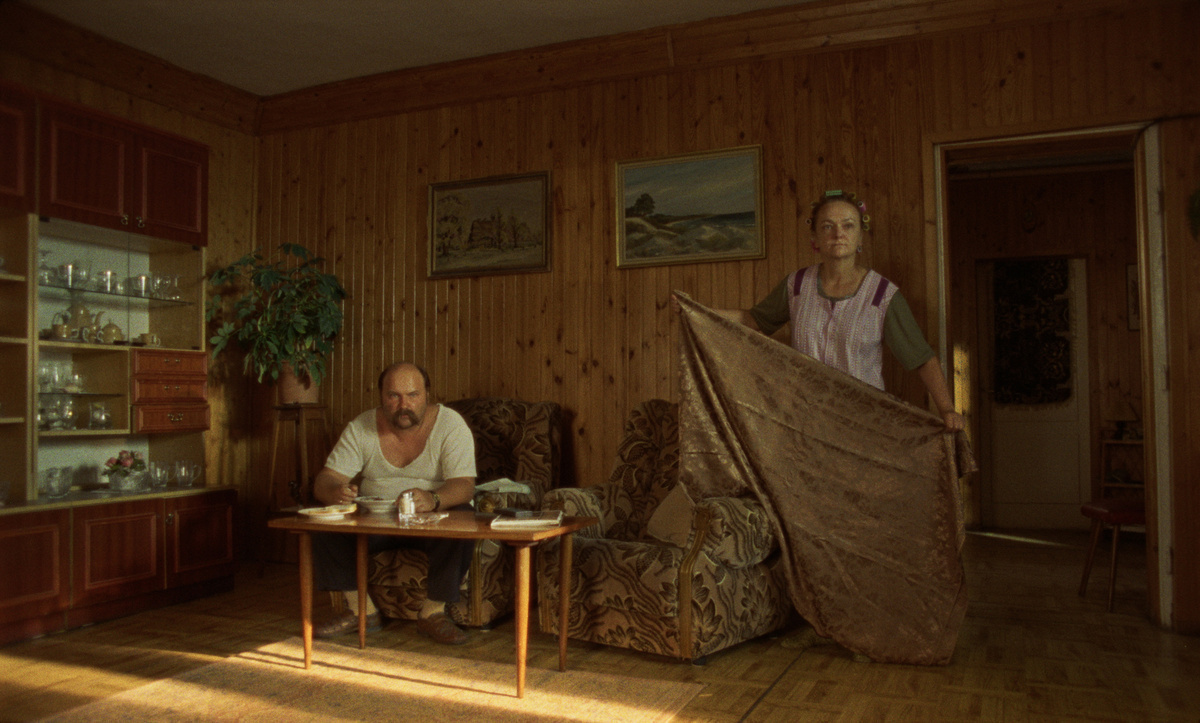
Spiritus sanctus, dir. Michał Toczek
Once the wine wears off, we can continue — slightly unsteady on our feet — to the Memoirs Department, curated by Mieszko Chomka. As part of the exhibition Let's Leave It Untitled, the curator presents an installation made up of half-smoked cigarette butts, nightclub wristbands, and party videos recorded on a phone. Above all, however, he has created an evocative and immersive experience that allows us to return to the days of our own youth.
This journey through time can also become a journey through space. Such an experience awaits in the American Department, curated by Olga Papacz. Viewed through the lens of family history, her exhibition Traces tells the story of the collective dream dreamt by many Poles during the bleak years of the economic transition — the dream of America. Most of us have long since woken from it, yet Traces still prompts an essential question: what, exactly, has replaced it today?
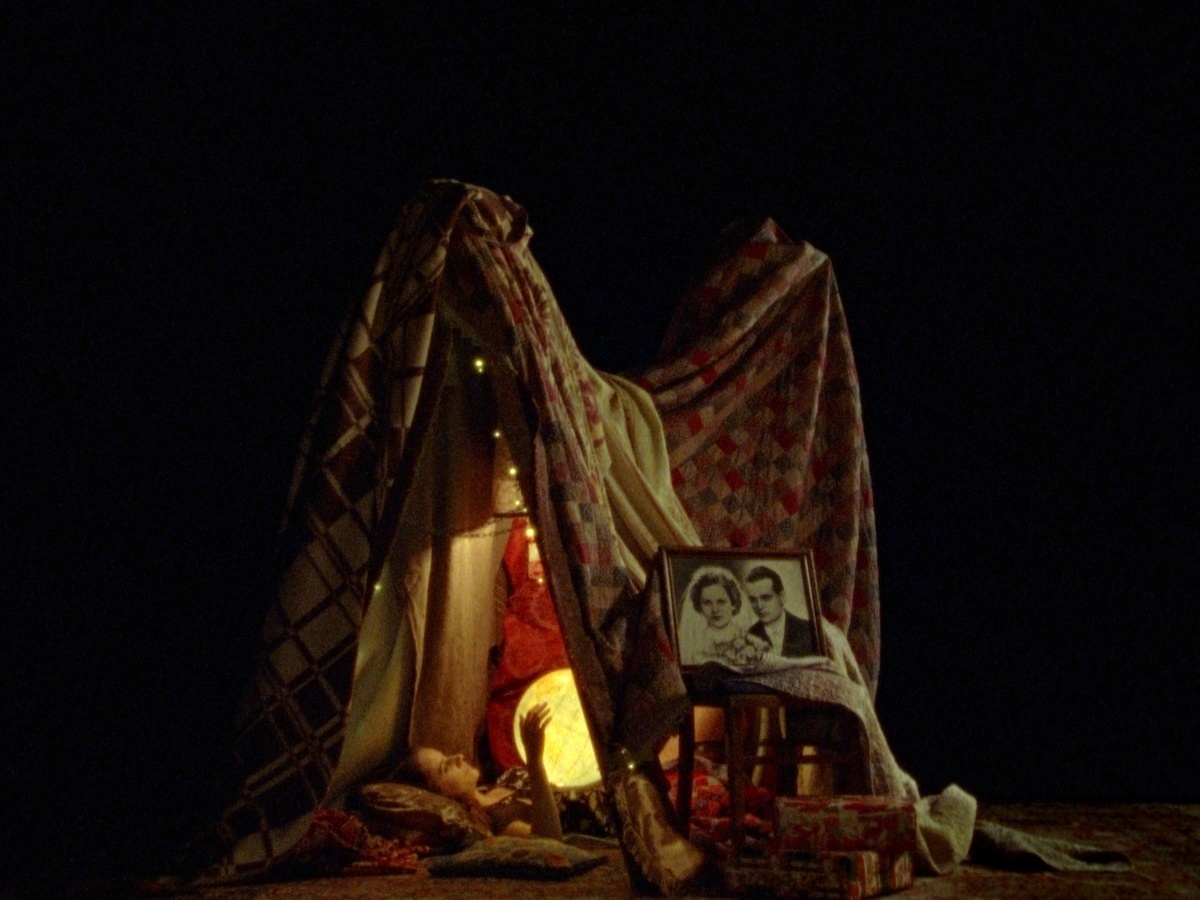
Traces, dir. Olga Papacz
Speaking of fantasies: every self-respecting institution should, following the example of the Archaeological Museum in Naples, have its own il gabinetto segreto — a hidden chamber devoted to erotic imagery capable of stirring the imagination. Jan Saczek serves as curator of this section, presenting the exhibition Recess, which provocatively asks how one might care for their sexuality in a world shaped by new technologies and increasingly blurred boundaries between the public and the private.
A similar sense of disorientation carries over into the Technology Department. Its curator, Maria Dakszewicz, suggests in Summer of Smooth Asphalt that all it takes is a minor electrical short circuit for a seemingly familiar world to shift, distort, and suddenly become unrecognizable.
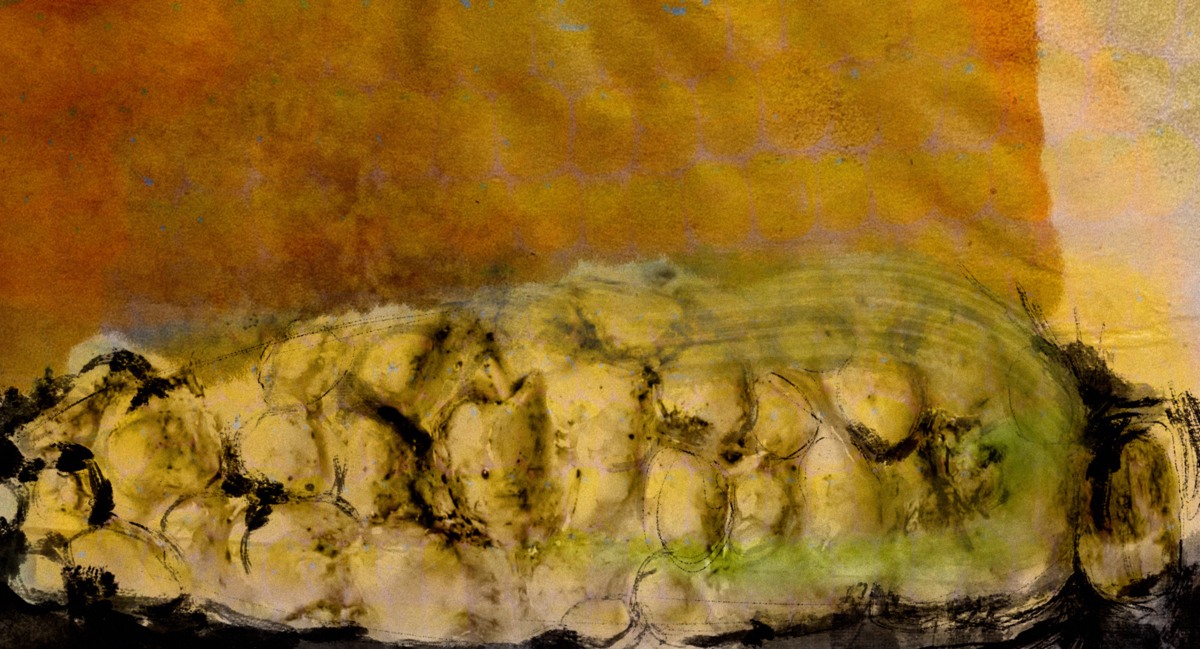
Summer of Smooth Asphalt, dir. Maria Daszkiewicz
Comparable sensations await during the journey proposed by Jakub Krzyszpin in Axles: what begins as an ordinary ride on a TLK train unexpectedly changes course and ends up running along the same tracks as the apocalyptic Snowpiercer.
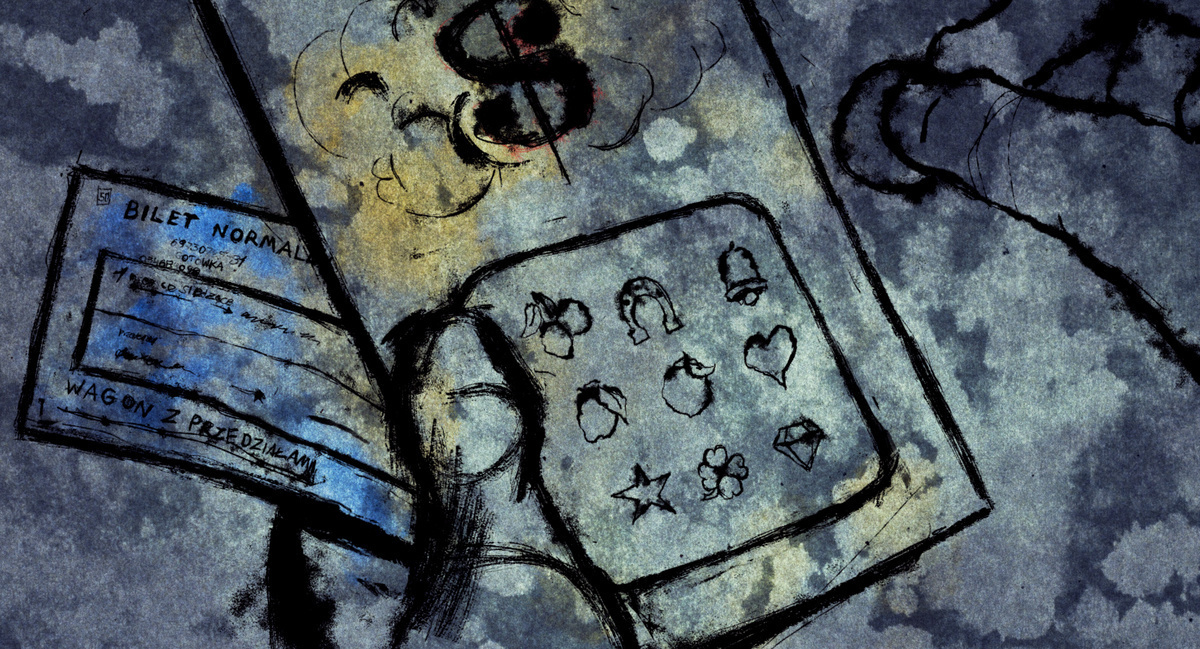
Axles, dir. Jakub Krzyszpin
After the attractions of the Transportation Department, it’s worth pausing for a moment in the Play Corner, curated by Adam Porębowicz. The exhibition Stepmother was designed to encourage visitors to take part in a demanding yet immensely entertaining game built around rejecting rigid rules and top-down systems of control.
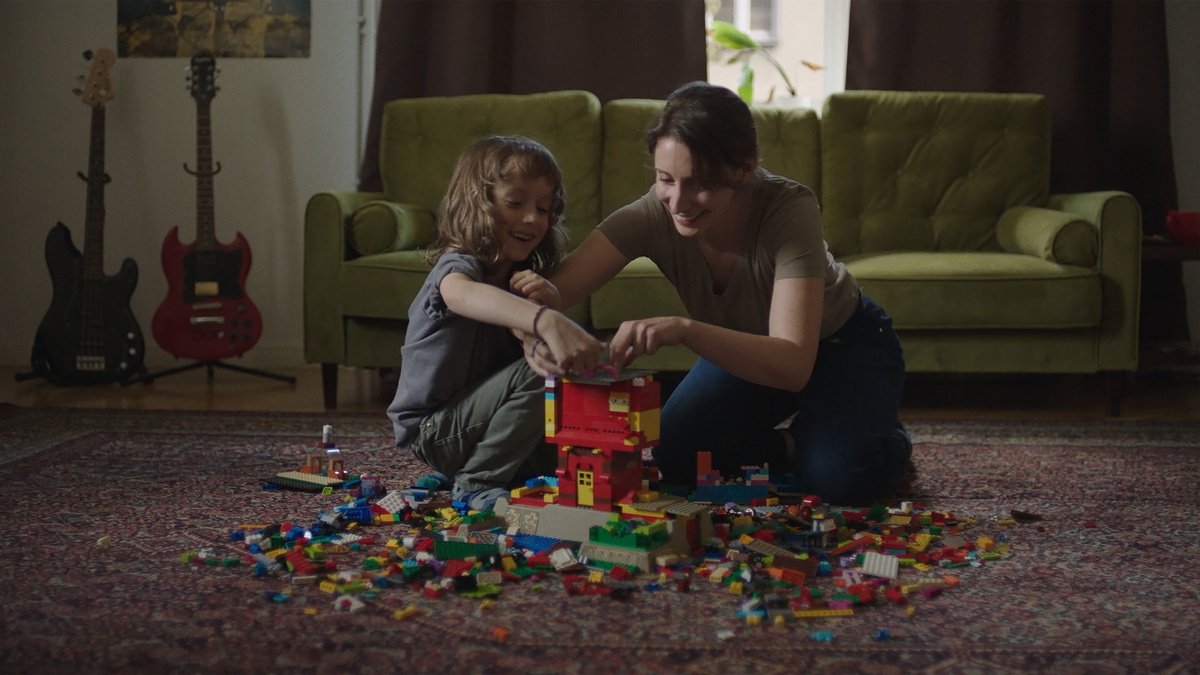
Stepmother, dir. Adam Porębowicz
This approach may also prove useful during a visit to the Anthropology Department, where Mix awaits. By juxtaposing archival films made decades ago by students from the Global South at the Łódź Film School with contemporary Instagram reels, curator Klaudia Szott demonstrates that our society is far more diverse than we might be inclined to believe.
We may arrive at similarly surprising conclusions while strolling through the Uniformed Services Department. In No Song in the Air, curator Joanna Różniak suggests that cultural norms are shifting even within the police force itself; old-school tough guys in the Dirty Harry mould deserve an honourable farewell and a well-earned retirement. The space they leave behind is increasingly occupied by officers who may still perform toughness, yet allow themselves moments of vulnerability when least expected.
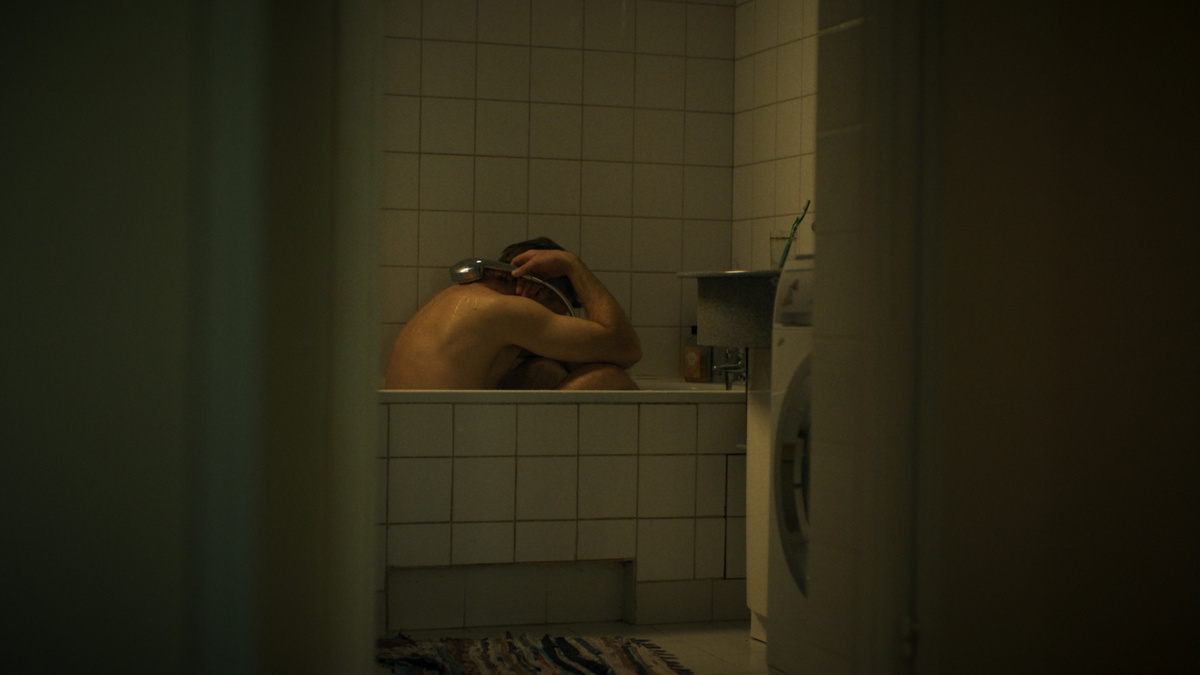
No Song in the Air, dir. Joanna Różniak
A visit to the Royal Treasury, home to the exhibition Princessy, also offers a lesson in empathy. Its central exhibit is a plate bearing the image of Diana, Princess of Wales, brought back from London. In curator Franciszek Korolczuk’s interpretation, this unusual object becomes a symbol of a false sense of exceptionalism which, however seductive, should never overshadow our care for those closest to us.
An even more complex dilemma emerges in Woodeaters, presented in the Pharmacy Department. Curator Julia Pełka depicts the extermination of the titular wood-boring insects using Zyklon B. Although the targets here are pests — and ones that destroy historic Orthodox churches, at that — the method itself may provoke deeply unsettling associations for anyone who paid attention in history class. Is this merely excessive interpretive vigilance, or perhaps a justified anxiety rooted in the awareness that the definition of a “pest” can be dangerously flexible?
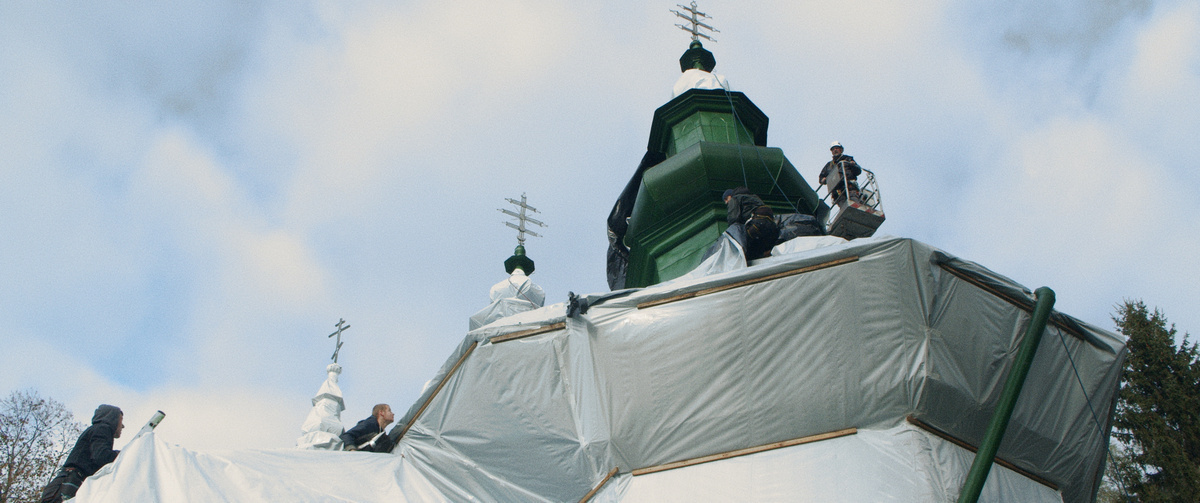
Woodeaters, dir. Julia Pełka
Following the trail of uncanny encounters with nature, we arrive at the Nature Department. There, Woman in the Sea awaits, with curator Dominika Gnatek demonstrating that while one may indeed marry the sea, a passionate affair with it seems far more appealing. At least at first — because over time, this tender and understanding lover begins to reveal an increasingly possessive side.
To remain within the realm of the uncanny, we should continue on to the Esotericism Department. There we encounter Kontrewers, whose central attraction is a séance overseen by the curator herself. Through it, Zuza Banasińska suggests that different forms of otherness may be surprisingly alike — and that old age, too, can become a form of possession.
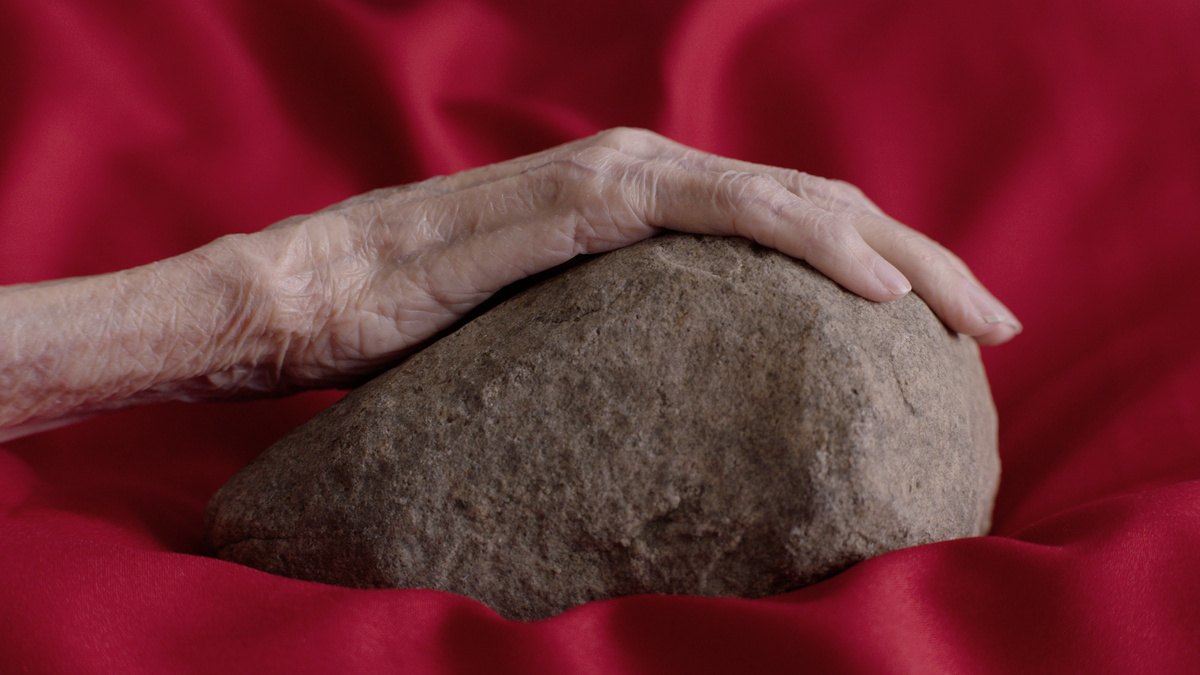
Kontrewers, reż. Zuza Banasińska
Reflection on transience also lies at the heart of I Am Not Here Anymore, presented in the Thanatology Department. Curator Nawojka Wierzbowska successfully dispels the gloom traditionally associated with such places and — through the story of an elderly family member slowly dying of boredom — proves that death itself need not always be treated with solemn seriousness.
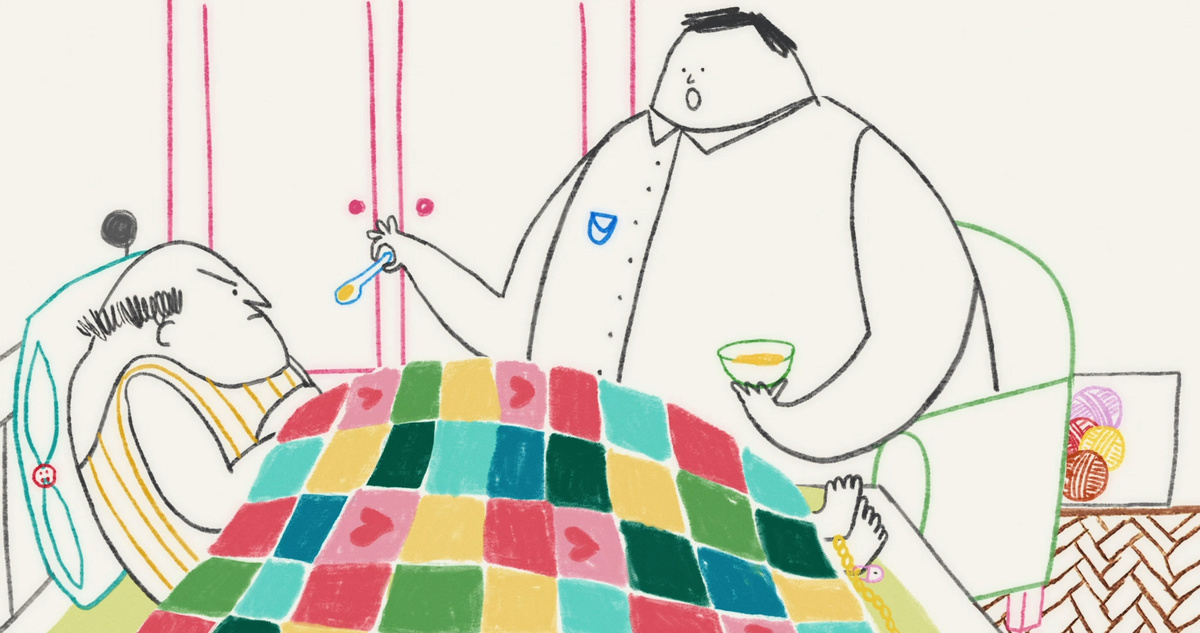
I Am Not Here Anymore, dir. Nawojka Wierzbowska
I suggest concluding this engaging tour of the Museum in the Department of Psychoanalysis. From the comfort of a well-worn couch, visitors can watch Helena Stańczyk’s I'm painting a self-portrait, but all I see is my sister's face. The story of the artists Alicja and Bożena Wahl, as presented in the film, is singular and deeply personal, yet it also touches on universal anxieties surrounding the fragility of the self and the fear of not being truly unique. Although Maluję … offers no easy answers, it nevertheless leaves viewers with a sense of solace — thanks to the power of its striking images and eloquent voice-over narration.
I hope this guide will help visitors navigate the Museum’s architecture, while also encouraging them to propose their own interpretive paths, discover hidden passages between galleries, and search for unconventional routes to the exit. One thing is certain: whichever way we choose, we’ll eventually find ourselves exchanging impressions at the museum café in the Arsenal.
Piotr Czerkawski


